Folding Bikes Blog
Stories, tutorials, and advice from the Montague Bikes team.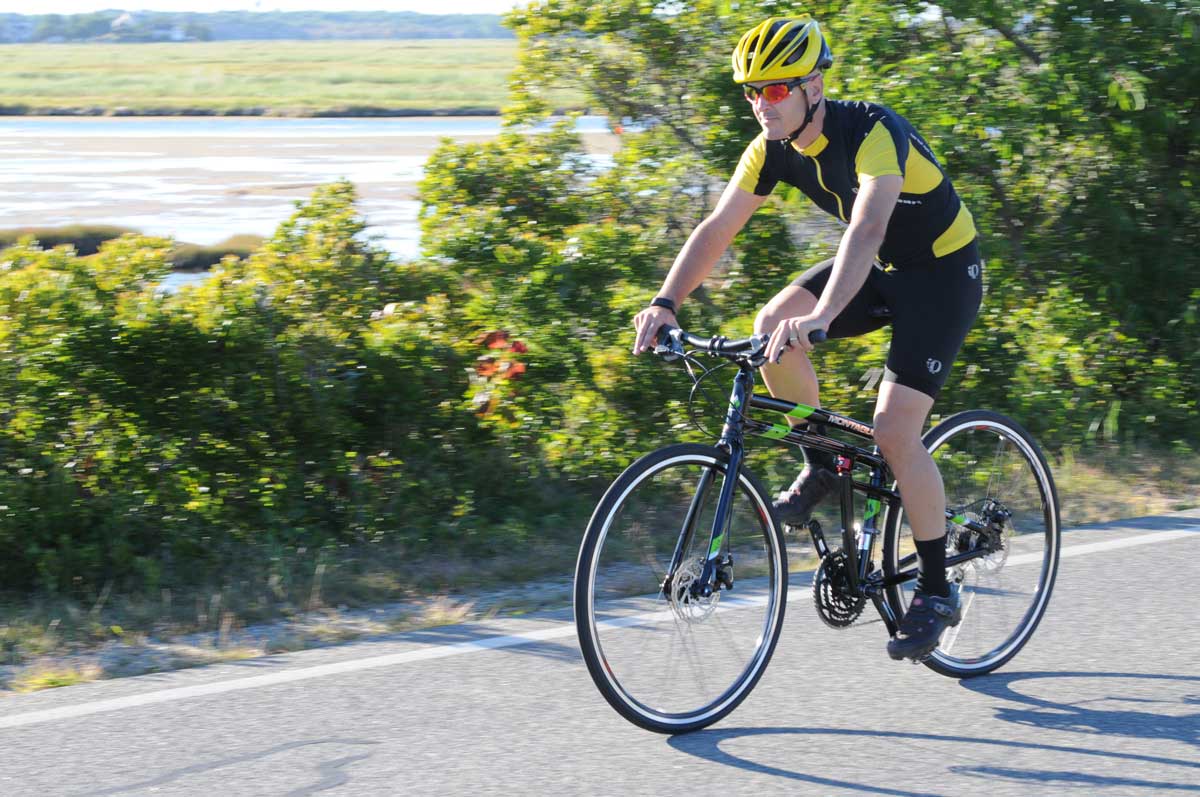
General Biking Tips and Tricks
If you just got a new bike or are getting back into cycling after some time away, seeing the world by bike can feel like a whole new experience. One that is definitely exciting – but possibly intimidating without the proper knowledge. Understanding the specifications...
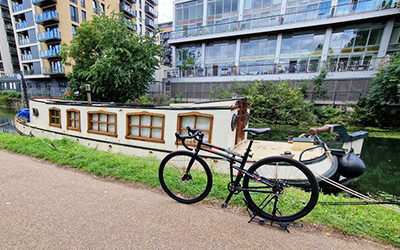
Boat Living with a Montague Allston
When facing tight living quarters, a foldable bike is ideal to make every inch of space count. Today's featured Montague rider, Francis from the UK, encountered this challenge head-on, splitting time living on three different boats throughout the year. Between...
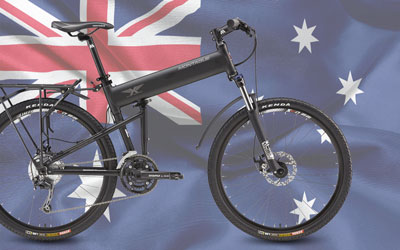
Montague Bikes are Back in Australia
We are happy to announce that Cargocycles is the new distributor for Montague Bikes in Australia. The family-owned and operated bike shop is located in Brunswick East, Melbourne, and now carries Montague folding pavement and mountain bikes, available both online and...
Montague Bikes Capture Top Spots in Discerning Cyclist Rankings
Throughout the end of 2023 and start of 2024, Discerning Cyclist released rankings of the top folding bikes with Montague models appearing in the top 5 in categories across the board. DiscerningCyclist.com is one of the world’s largest urban cycling publications known...
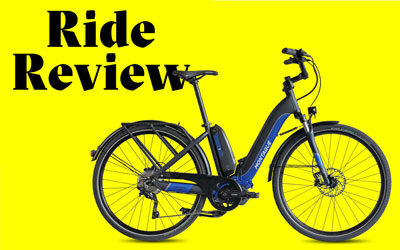
Ride Review Calls Montague M-E1 a “Game Changer”
RideReview has released a deep dive into the Montague M-E1, looking at the ride quality, build quality, design, and value of this full-size folding e-bike. RideReview is the largest collection on the web of reviews for micromobility vehiles – which is any electric...
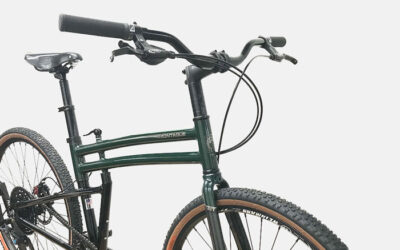
Custom Montague FIT by Toronto’s Beagle Bicycle Co.
Beagle Bicycle Co. is back with another incredible build. Based out of Toronto, Canada, the Beagle Bicycle team acts as the Montague dealer for the area and consistently creates one-of-a-kind custom Montagues bikes. Unlike most folding bikes, all Montagues use...
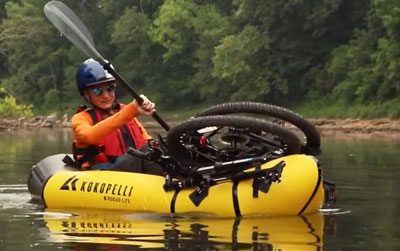
Bike-Rafting with a Montague Paratrooper Pro
Lexi and Chris started Roam Lab (https://roamlab.com/) in 2015 with a '86 Dodge Ram that underwent a simple conversion to add sleeping quarters and storage. They hit to road for a cross-country trek, fell in love with the nomadic lifestyle, and have been on a...
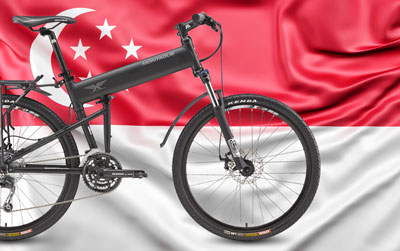
New Distribution with Montague Bikes Singapore
After a short hiatus, Montague bikes are back in Singapore. Montague is proud to announce a partnership with Montague Bikes Singapore for distribution of our performance folding bikes. Folding mountain and pavement bike models are expected to arrive in Singapore in...
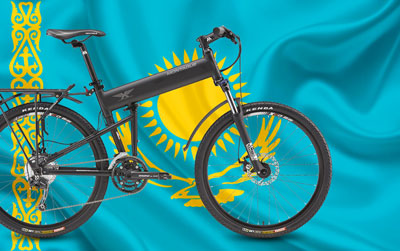
Montague Now Available in Kazakhstan from MTG
Montague Bikes is proud to announce a partnership with Mobile Tech Group for distribution of our performance folding bikes in Kazakhstan and Kyrgyzstan. Folding electic, mountain, and pavement bike models are in stock now and ready to ship. Mobile Tech Group offers...
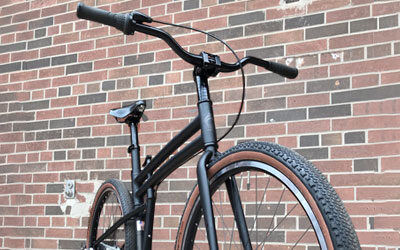
Custom 650b Boston from Beagle Bicycle Co.
Beagle Bicycle Co., the premier source for Montague bikes in the Toronto area, consistently creates some of the most interesting custom Montague builds. Unlike other folding bikes with small wheels and many proprietary parts, Montague bikes use full-size wheels and...
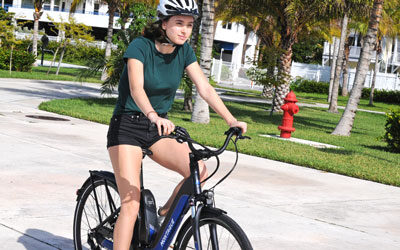
How To Ride an E-Bike: What’s Different?
What almost all e-bikes have in common is increased acceleration, speed, and weight compared to a conventional bike. This does change how the bike handles and therefore, changes how you ride. E-Bike Riding Tips – Braking: Due to the increased weight and speed of an e-bike, the brakes can respond differently than on a conventional bike.
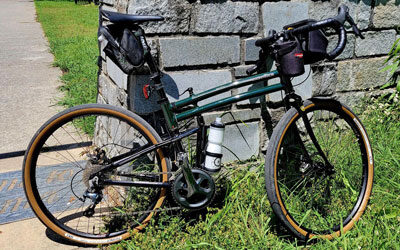
Custom Drop Bar FIT Folding Bike by James Caron
NOTE: Today's post comes from James Caron who has built a beautiful road riding machine with a pre-DirectConnect Montague FIT frame. Read on to learn more about the components James selected and his plans for the bike. I recently lucked into a bare Montague Fit frame...
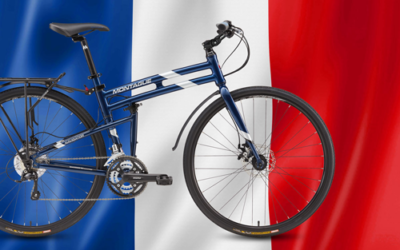
Montague Now Available in France from Loudet
Montague Bikes is proud to announce a partnership with Loudet Cycles & Accessoires for exclusive distribution of Montague folding bikes in France. Folding mountain bikes, pavement bikes, and M-E1 e-bikes are now in stock in France and ready to ship. Loudet Cycles...
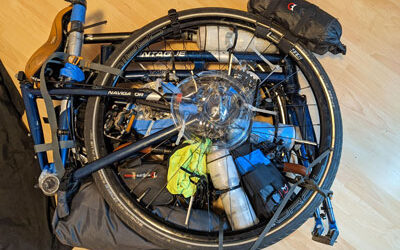
Packing a Montague Bike for Airline Travel
Today's guest post comes from James Sowerwine, an avid traveler and bikepacker who takes his Montague Navigator folding bike and custom bikepacking setup with him everywhere he goes. He has a unique way of packing his bike and gear for airline travel and has kindly...
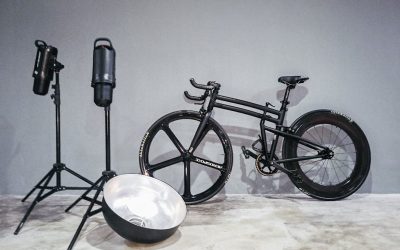
Custom Montague Bikes – Rider Spotlights
Since Montague folding bikes use all industry standard components, riders have the ability to fully customize their bikes with any aftermarket parts and accessories they choose. We love to see the wide variety of custom Montague bikes around the world, from drop bar...

Shimano STEPS E-Bikes: E-Tube Ride Mobile App
If you own an electric bike with a Shimano STEPS drive system, there are two mobile apps that allow you to connect with your e-bike from your smartphone. We covered the Shimano E-Tube Project app in an earlier post, which allows you customize settings on the bike's...
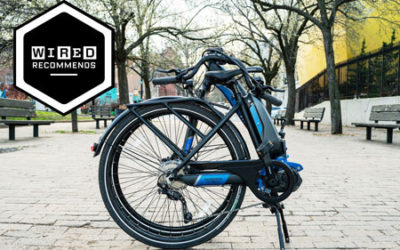
Wired Magazine’s Best Folding E-Bike: The Montague M-E1
Wired Magazine has put together their definitive list of the best electric bikes on the market. They looked at the best e-bikes for every type of rider and use case, including cargo bikes, mountain bikes, and you guessed it, folding bikes. The best folding e-bike on...

Montague Rockstars – Rider Spotlights
Every day we see incredible photos of Montague Bikes from all over the globe — pics snapped on the morning commute or at a scenic trail overlook, photos from long bike tours and bikepacking trips, or meticulous custom built Montagues with all new components and color...