Folding bikes are more popular than ever, but many cyclists still have the wrong impression of them. Some assume they’re heavy, unstable, or only useful for short commutes. Others believe they can’t handle serious riding or won’t last as long as a traditional bicycle.
While some of these concerns may have been true of early folding bikes, or still apply to certain compact folding designs, they don’t represent today’s best folding bicycles. Let’s look at seven of the biggest myths about folding bikes and why they deserve a second look.
1. Folding Bikes Have Small Wheels
When most people picture a folding bike, they imagine something with miniature wheels and a design closer to the bikes used by clowns at the circus than by serious riders. Many popular brands do, in fact, manufacture this style of folding bike, however, it is possible to have folding technology on a full-size bike.
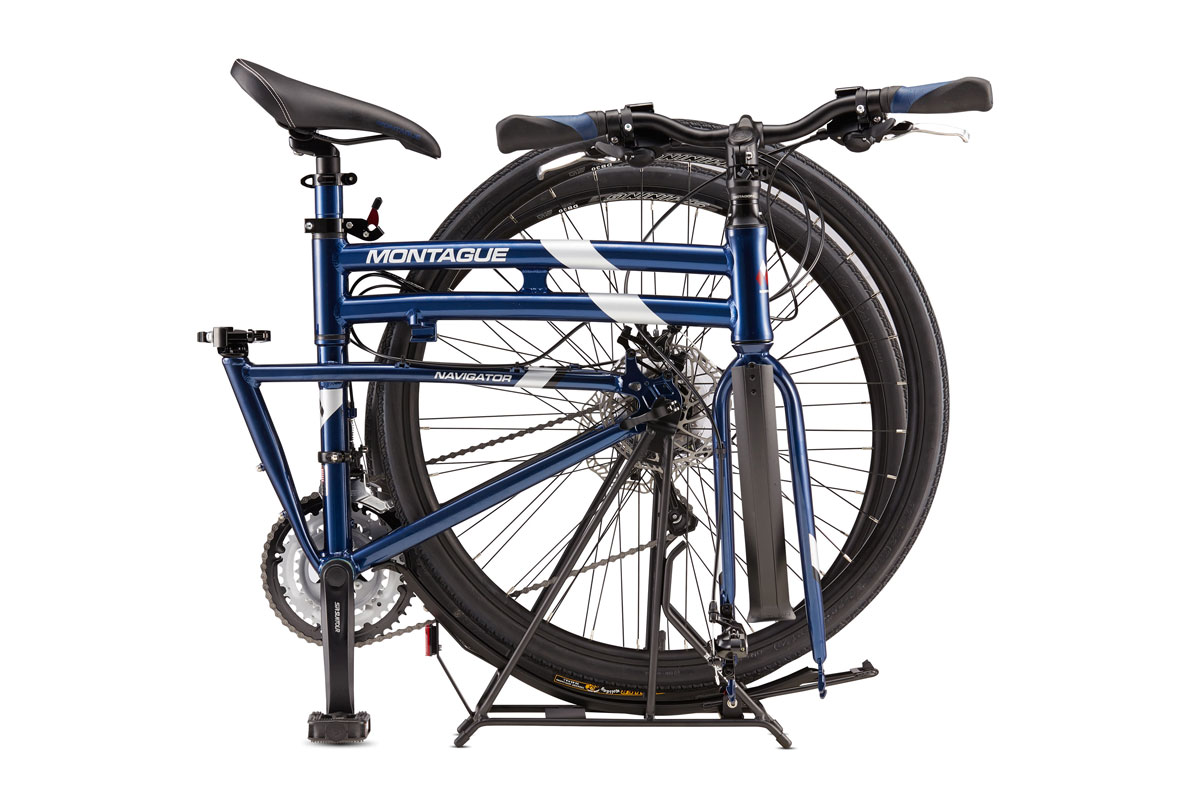
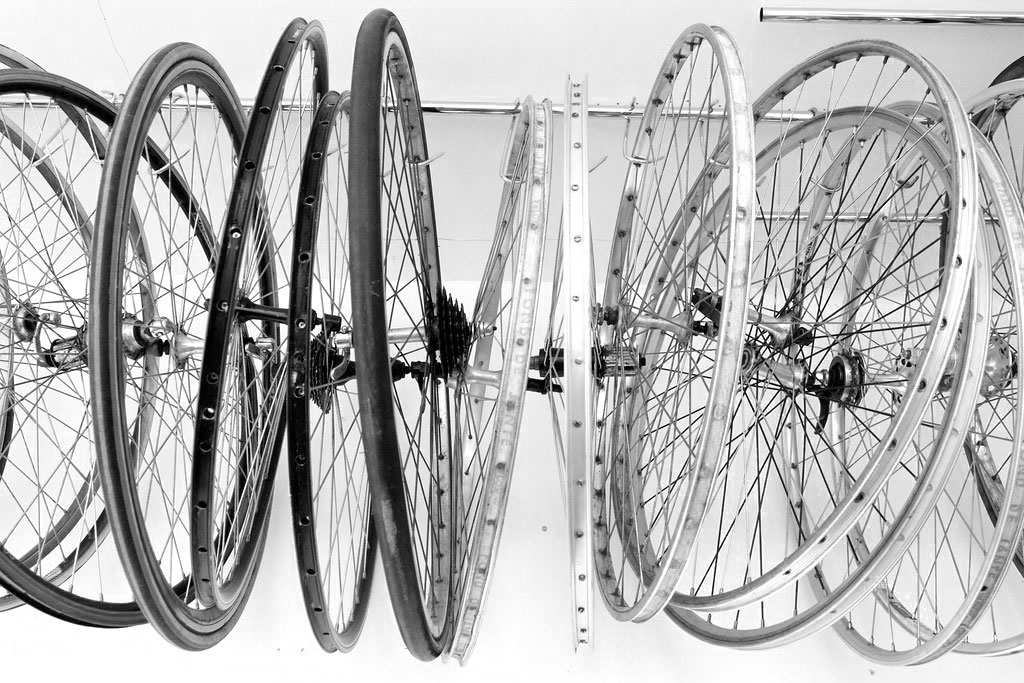
While many compact folders prioritize portability with 16″ or 20″ wheels, some manufacturers build full-size folding bicycles designed to ride exactly like conventional bikes. Montague, for example, uses full-size 26″, 27.5”, and 700c wheels, which are the same sizes found on standard mountain and road bikes. That means you get the same efficiency, stability, and ride quality you would expect from any other high-performance bicycle with the added benefit of folding for convenient travel and storage. Full-size wheels handle better on rough terrain, maintain speed more easily on pavement, and simply feel more like riding a real bike (because they are).
Small-wheel folding bikes are popular for those that need to maximize portability, but full-size folders remain the best option for those looking for a step up.
Learn more about bike wheels in our article detailing the subject: Bicycle Wheel Sizes Explained
2. Folding Bikes Are Only for Commuting
There’s a perception that folding bikes are intended mainly for commuting and urban transportation. Think gentle city riding, short trips, and flat roads. While compact folding bikes certainly excel in those environments, they represent just one category of folding bicycle.
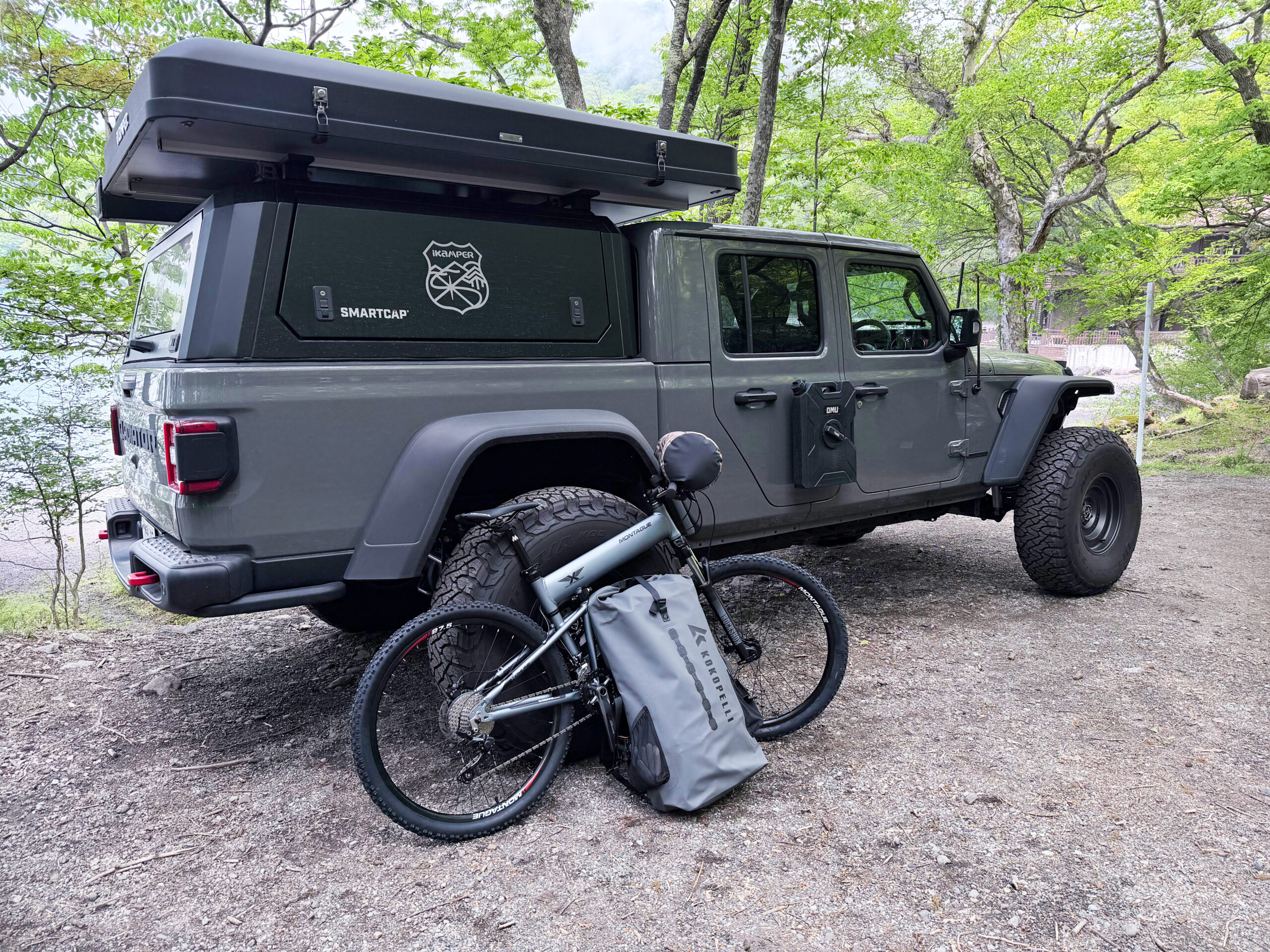
Full-size folding bikes are capable of nearly everything a traditional bicycle can do. Depending on the model, they’re equally at home while road racing, mountain biking, gravel riding, bikepacking, and touring. Since they use full-size wheels, normal frame geometry, and industry-standard components, they deliver the same ride that experienced cyclists expect from a conventional bike.
Montague offers models designed for a wide variety of riding styles. The FIT was designed with all-road performance in mind, featuring a carbon fiber fork, lightweight 700c wheels, and a 2×10 Shimano drivetrain. And the Navigator was built for gravel-riding and touring with semi-knobby 700c tires, disc brakes, a rear rack, and fenders.
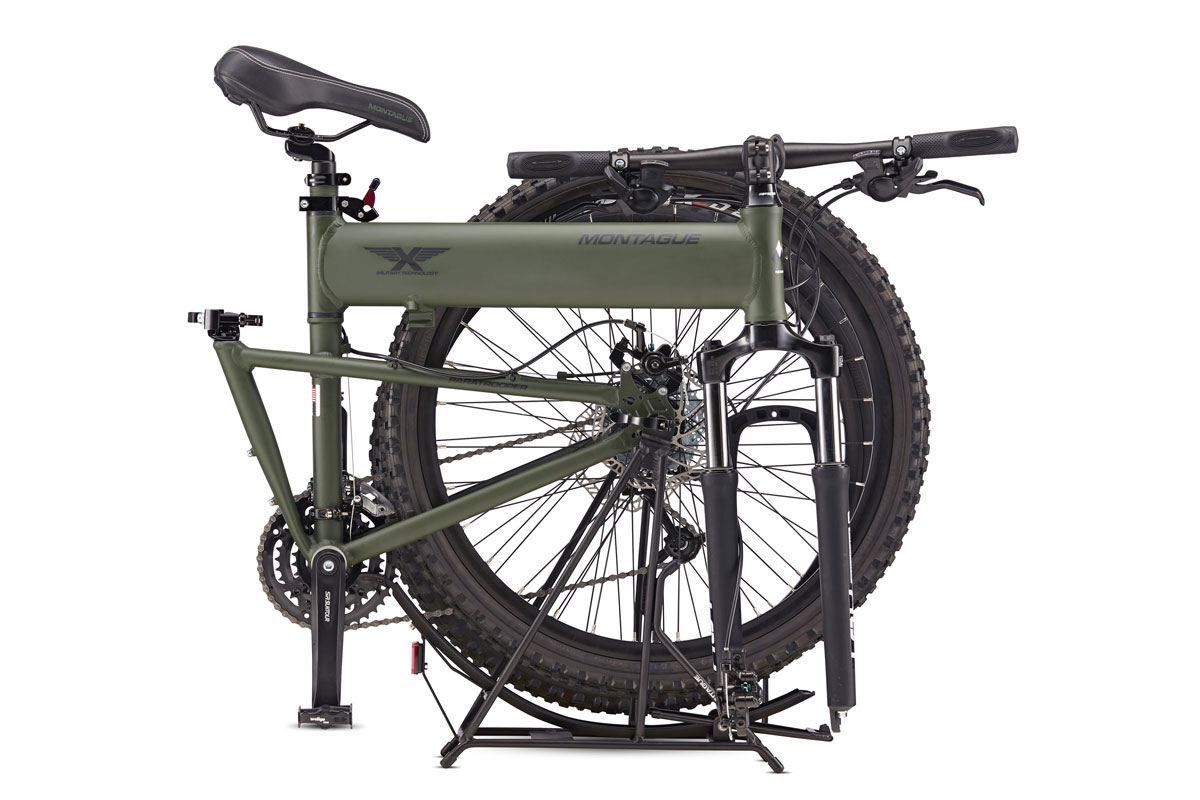
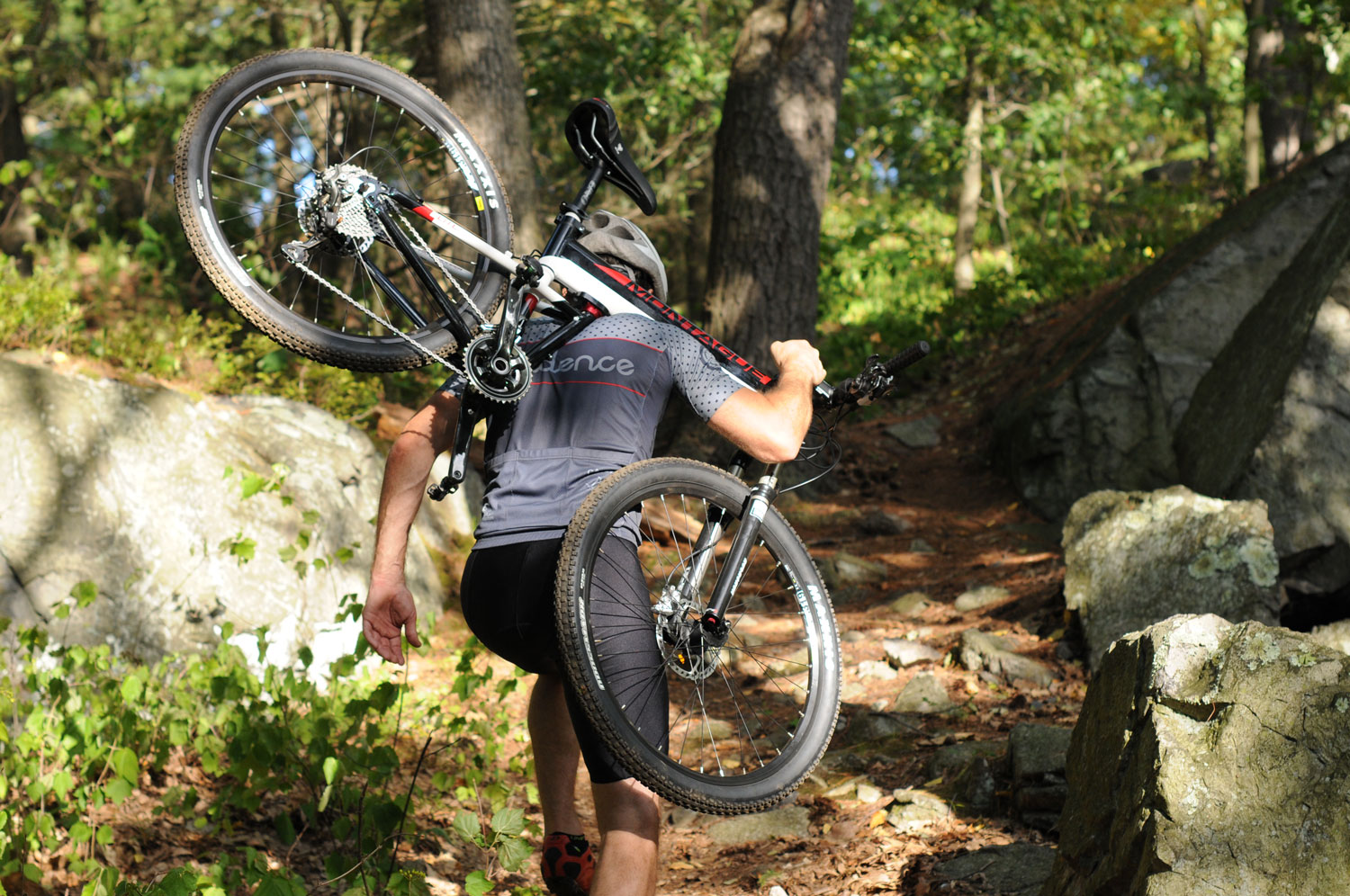
Some riders have used these Montague bikes to achieve exceptional cycling feats, such as competing in the 150-mile Kathmandu Coast-To-Coast or the 60-mile Mid South gravel race. However, rugged adventures are not just limited to these models; Over the years, Montague riders have crossed continents, traversed mountain ranges, and finished grueling cycling competitions on various Montague models. The Paratrooper Collection, originally designed for military use, is a line of performance folding mountain bikes that many Montague adventurers swear by. With added suspension, wider tires, and mountain geometry, Paratrooper bikes allow the folder to go beyond the road.
It should now be evident that the capabilities of a folding bike go far beyond a ride across town. Read more about the adventures taken on folding bikes on the Montague blog:

3. Folding Bikes Aren’t Sturdy
Folding technology might make some riders doubt the structural integrity of a bike. It’s completely understandable to have doubts, considering a bike frame needs to support your body and gear while you’re traveling, sometimes at high speeds or on busy roads. However, let the masterful engineering behind modern folding bike technology be of some reassurance.
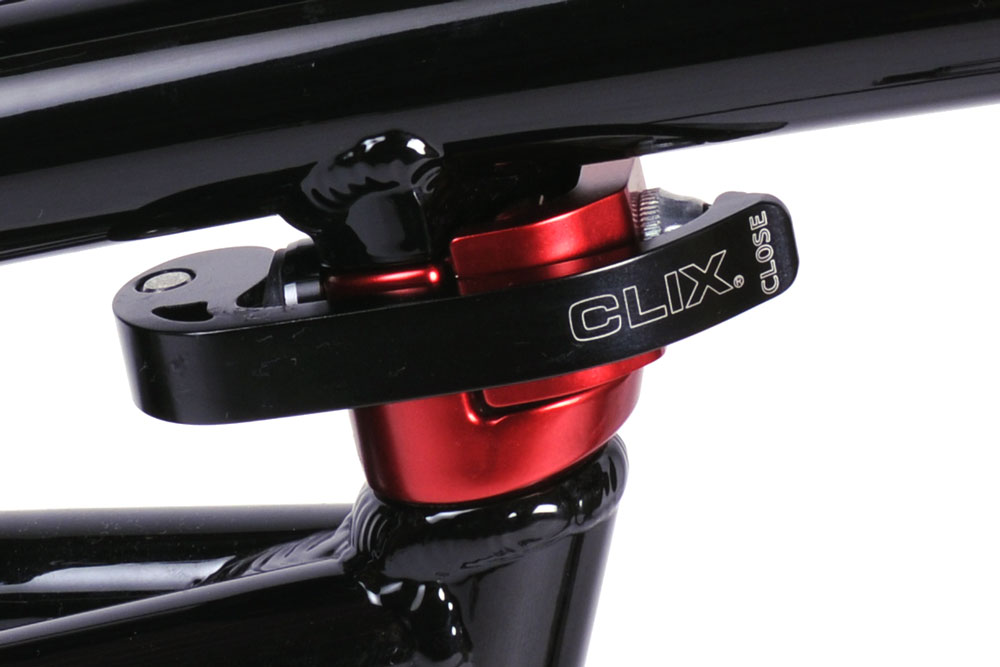
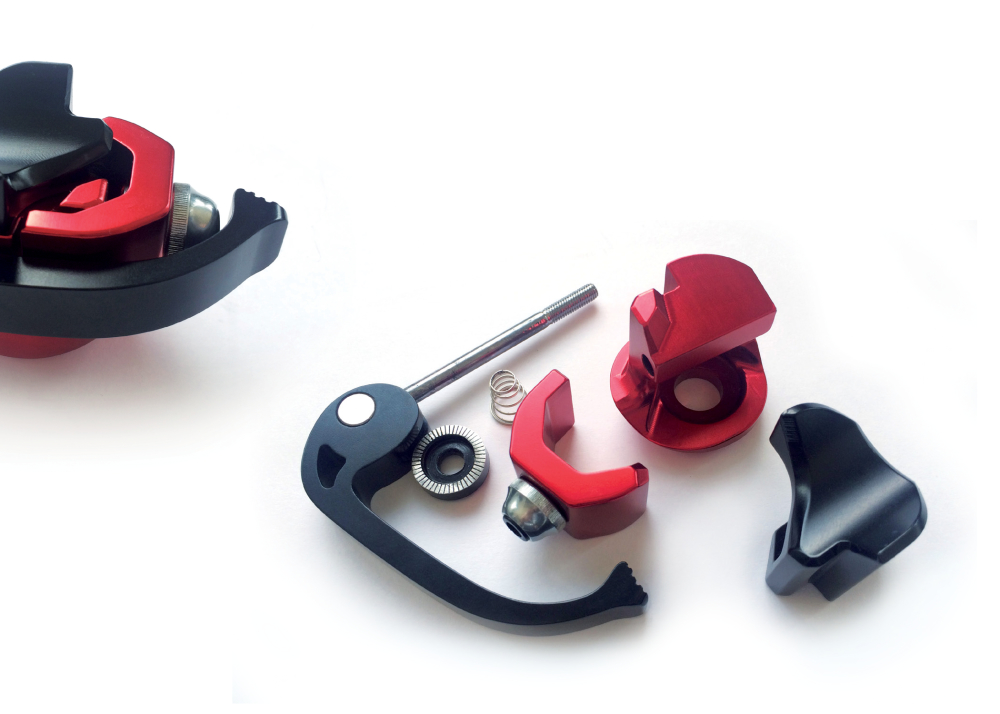
While some folding bikes simply cut the frame and add a traditional hinge, Montague’s patented frame design rotates around the seat tube so the two halves overlap when open. Then, closing the DirectConnect locking system creates a rigid, gap-free connection between the two. The locking mechanism is designed to withstand the same forces as a traditional welded frame, and Montague bikes are built to meet or exceed standard bicycle safety certifications. In fact, Montague is so confident in their DirectConnect system that they offer a lifetime frame warranty.
As with any bike, an individual in the market for a new bike needs to find a reputable brand that takes their designs seriously. A properly designed folding bike like those at Montague is every bit as safe as a non-folding counterpart.
4. Folding One Is Difficult
First time bike folders may fear the worst: confusing latches, losing parts, and many complicated steps. But with a well-designed folding bike, the reality is much simpler.
Most riders can fold a Montague bike in around 20 – 30 seconds after a little practice, no tools required. Once you’ve done it a few times, it becomes second nature. The moving parts are specifically designed to remove guesswork, with easy to use quick releases that automatically click into place. The process is intuitive and quick, which is why Montague riders are able to fold and unfold at train stations, trailheads, and boat docks without breaking stride.
If you’re worried about the learning curve, Montague provides clear folding instructions and video guides to help new owners get comfortable quickly.
5. Storing Them Is Awkward and Complicated
A folding bike that’s difficult to store defeats its own purpose. Fortunately, modern folding bikes are designed to make storage one of their greatest advantages.
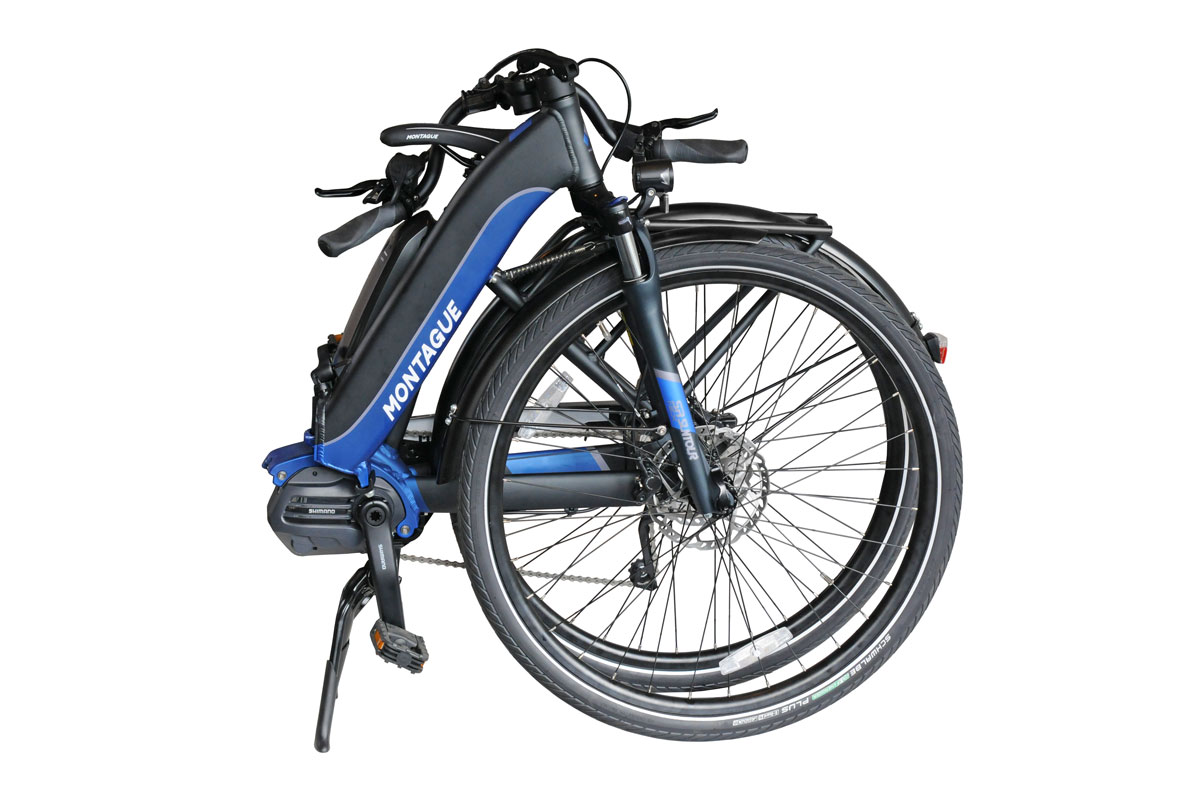
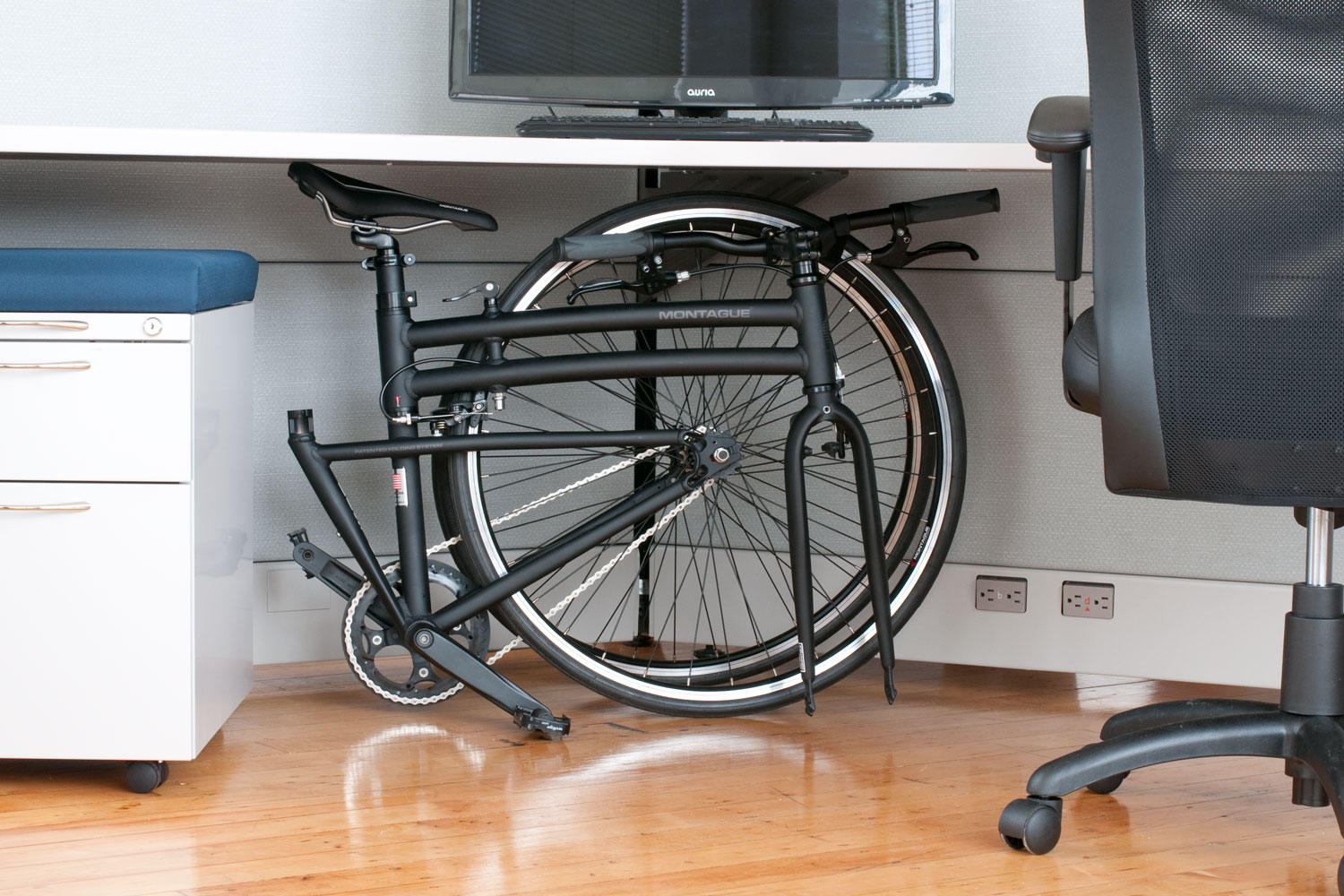
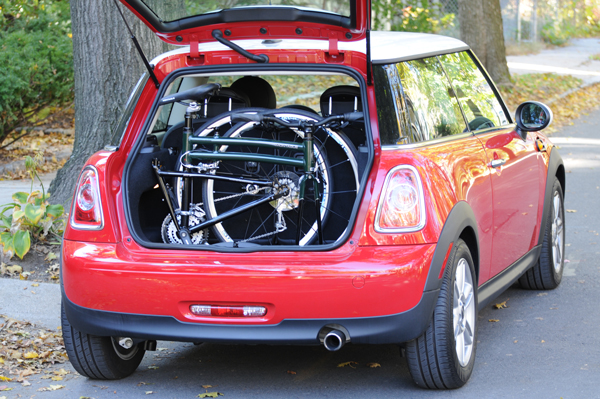
When folded, a Montague bike becomes compact enough to fit in the trunk of most cars, slide into a closet, tuck under a desk, or store neatly in an apartment where a standard bike would take up valuable living space. For many riders, simply being able to keep their bike indoors is enough reason to choose a folding model. Indoor storage not only saves space, but also protects the bike from weather, theft, and vandalism.
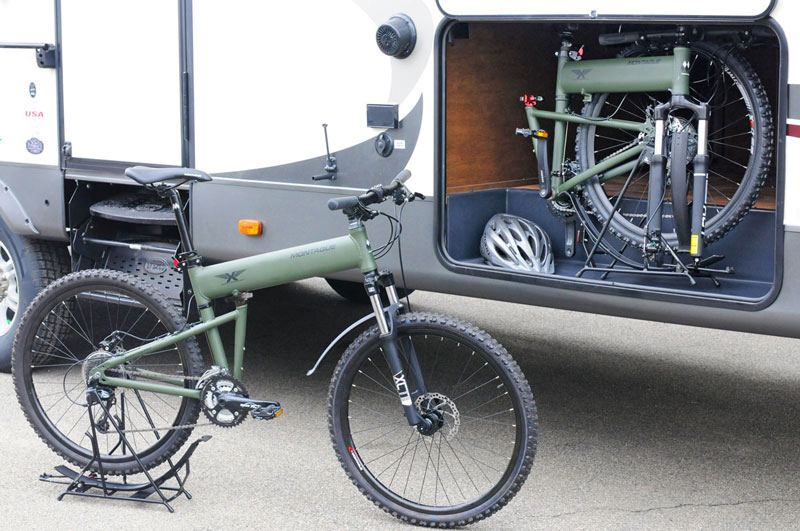
But the benefits extend well beyond the home. Folding bikes are ideal for RV travelers, boat owners, and anyone who wants to bring their bike along without dealing with an external bike rack. Multi-modal commuting becomes much easier, so whether you’re combining cycling with a train, ferry, or bus ride, a folding bike can often be carried where a conventional bicycle would be prohibited or inconvenient.
6. Folding Bikes Are Heavy
A common assumption about folding bikes is that the folding mechanism must add a significant amount of weight. While folding hardware does add some material to the frame, the difference is much smaller than people expect, especially on well-designed bikes.
In reality, a bike’s weight depends on many factors besides whether it folds. Frame material, wheelset, drivetrain, suspension, tires, and accessories all have a much larger impact. A lightweight road bike will almost always weigh less than a fully equipped touring bike, regardless of whether either one folds.
Montague designs its bikes with performance in mind, using lightweight aluminum frames and carefully selected components to keep weight competitive within each category. The result is a bike that delivers the convenience of folding without feeling unnecessarily heavy on the road or trail.

7. Folding Bikes Don’t Ride Like Regular Bikes
Perhaps the biggest misconception about folding bikes is that they all feel unstable, twitchy, or awkward to ride. This impression largely comes from compact folding bikes with small wheels and unconventional frame geometry, which naturally handle differently than a traditional bicycle.
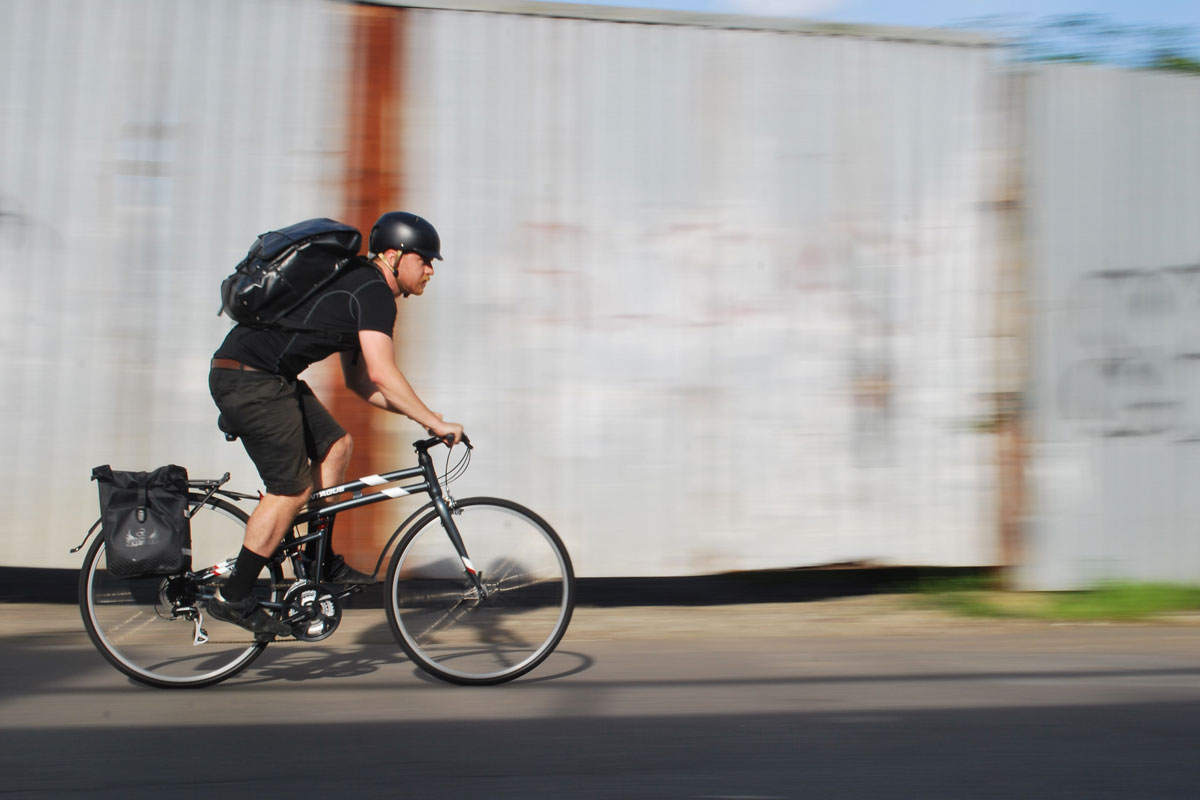
A full-size folding bike is a different experience entirely. By using the same wheel sizes, riding position, and geometry found on conventional bicycles, bikes like those from Montague are designed to feel familiar from the moment you get on. Steering is predictable, the riding position is natural, and the bike behaves like any other quality road, gravel, or mountain bike.
Many riders report that after just a few minutes, they completely forget they’re riding a folding bike. That’s exactly the goal. The folding mechanism is there when you need it, but disappears from the riding experience once you’re on the road.
Folding bikes have earned an unfair reputation based largely on older designs and misconceptions that no longer reflect what’s possible. While every folding bike is different, a well-engineered full-size folding bike can deliver the ride quality, durability, and versatility of a traditional bicycle while adding the convenience of compact storage and transport.
If you’ve never ridden one before, the best way to understand the difference is to experience it yourself. You may find that the only thing surprising about a modern folding bike is how quickly you forget you’re riding one.